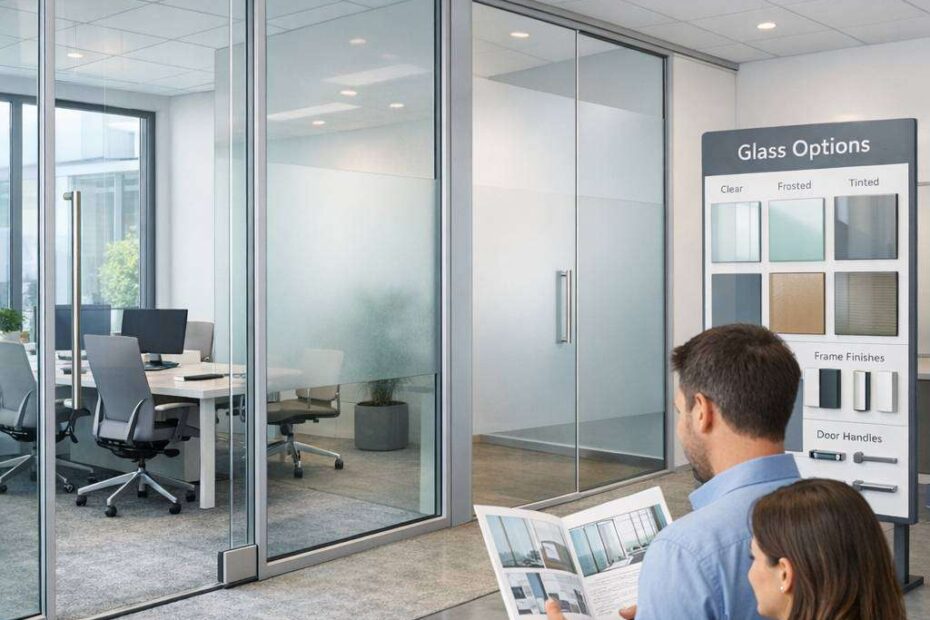
Choosing the right glass office partitions can transform your workspace, boosting productivity, communication, and the overall feel of your environment. This guide provides a practical, expert overview to help you select the best option for your needs, while keeping within budget and timeline considerations. From aesthetics to acoustic performance and installation logistics, we cover the essentials so you can make an informed decision.
Introduction
In modern offices, glass office walls and doors are increasingly popular for their light, open feel and the perception of spaciousness they create. However, the choice of system—be it a simple internal glass partition or a full glass wall with doors—requires careful thought about functionality, privacy, and long-term costs. This guide explores key factors, practical tips, and common questions to help you navigate the market and find a solution that aligns with your space, culture, and budget.
Glass office partitions transform workspaces by creating open, bright environments while preserving privacy through smart layouts and subtle dividers. They maximize natural light, reduce noise, and support flexible collaboration without walls. For innovative solutions and inspiration, explore design-forward options that integrate aesthetics with function. https://www.urbansquare.net/ Discover more tailored systems, installation guidance, and case studies to elevate your office environment today.
What to consider when choosing glass partitions
-
Type and configuration
- Internal glass partition: Ideal for creating distinct zones without sacrificing natural light. These systems can be configured as standalone walls or alongside existing structures.
- Glass room dividers: Portable or semi-permanent options that segment space for teams or project areas while maintaining an open feel.
- Glass office walls and doors: A seamless, cohesive look that maximises light transmission. Consider frames, hinge types, and whether you prefer clear, frosted, or tinted glass.
-
Glazing and privacy options
- Clear glazing creates transparency and openness; if privacy is a concern, consider woven or frosted patterns, privacy film, or smart glass that transitions between states.
- Acoustic performance: Glass alone offers limited sound attenuation. Look for partitions with laminated or acoustic-rated glazing and compatible seals to reduce noise transfer between spaces.
-
Structural and build considerations
- Floor and ceiling penetrations: Ensure the system can accommodate power, data, and lighting needs without compromising performance.
- Frames and hardware: Aluminium frames are common for durability and slim sightlines. Check for compatibility with doors, especially glass wall doors that need reliable operation.
- Headroom and alignment: Precision installation matters—uneven floors or ceilings can affect door operation and seal integrity.
-
Aesthetics and finishes
- Transparency vs. opacity: Decide how much visibility you want between spaces. Frosted or patterned glass can balance openness with privacy.
- Frame visibility: Slimline frames provide a modern look, while frameless options offer a near-invisible appearance.
- Colour and coating: Anodised finishes or powder coatings can match corporate branding and interior design.
-
Costs and lifecycle
- Cost of glass office walls: Initial investment varies by thickness, privacy features, and frame choice. Higher acoustic performance and frameless designs typically incur higher costs.
- Glass partitions uk market: Prices and availability can vary regionally. London and other metropolitan areas may have higher installation costs due to labour rates and access considerations.
- Ongoing maintenance: Glass surfaces require routine cleaning, inspection of seals, and potential replacement of glazing or hardware after years of use.
-
Compliance and safety
- Fire-rating: Some configurations may require fire-rated glass or approved assemblies in certain zones.
- Privacy and data protection: In offices handling sensitive information, choose configurations that balance openness with the necessary privacy.
Type and configuration
- Internal glass partition: Ideal for creating distinct zones without sacrificing natural light. These systems can be configured as standalone walls or alongside existing structures.
- Glass room dividers: Portable or semi-permanent options that segment space for teams or project areas while maintaining an open feel.
- Glass office walls and doors: A seamless, cohesive look that maximises light transmission. Consider frames, hinge types, and whether you prefer clear, frosted, or tinted glass.
Glazing and privacy options
- Clear glazing creates transparency and openness; if privacy is a concern, consider woven or frosted patterns, privacy film, or smart glass that transitions between states.
- Acoustic performance: Glass alone offers limited sound attenuation. Look for partitions with laminated or acoustic-rated glazing and compatible seals to reduce noise transfer between spaces.
Structural and build considerations
- Floor and ceiling penetrations: Ensure the system can accommodate power, data, and lighting needs without compromising performance.
- Frames and hardware: Aluminium frames are common for durability and slim sightlines. Check for compatibility with doors, especially glass wall doors that need reliable operation.
- Headroom and alignment: Precision installation matters—uneven floors or ceilings can affect door operation and seal integrity.
Aesthetics and finishes
- Transparency vs. opacity: Decide how much visibility you want between spaces. Frosted or patterned glass can balance openness with privacy.
- Frame visibility: Slimline frames provide a modern look, while frameless options offer a near-invisible appearance.
- Colour and coating: Anodised finishes or powder coatings can match corporate branding and interior design.
Costs and lifecycle
- Cost of glass office walls: Initial investment varies by thickness, privacy features, and frame choice. Higher acoustic performance and frameless designs typically incur higher costs.
- Glass partitions uk market: Prices and availability can vary regionally. London and other metropolitan areas may have higher installation costs due to labour rates and access considerations.
- Ongoing maintenance: Glass surfaces require routine cleaning, inspection of seals, and potential replacement of glazing or hardware after years of use.
Compliance and safety
- Fire-rating: Some configurations may require fire-rated glass or approved assemblies in certain zones.
- Privacy and data protection: In offices handling sensitive information, choose configurations that balance openness with the necessary privacy.
Practical tips for selecting a system and the supplier process
-
Define objectives before shopping
- List the spaces to partition, desired level of natural light, and target noise levels.
- Decide on a mix of glass wall doors and fixed partitions if needed to balance openness with function.
-
Request performance data
- Look for acoustic ratings (Rw), light transmittance (Tvis), and security features for each option.
- Compare operating costs, including energy efficiency benefits from natural light diffusion.
-
Verify installation and aftercare
- Ensure the chosen supplier provides full installation services, including any required structural adjustments, electrical routing for data, and precise alignment checks.
- Ask about warranties on glass and hardware, and what maintenance services are available.
-
Consider scalability
- If your business grows or shifts, modular glass room dividers and adjustable partition systems can reduce future refurbishment costs.
- Some systems support easy reconfiguration without major disruption or downtime.
-
Budget wisely
- Factor in installation complexity, site preparation, and any speciality finishes.
- When evaluating the long-term cost of glass office walls and doors, include potential savings from improved collaboration, energy efficiency, and a more attractive work environment.
Define objectives before shopping
- List the spaces to partition, desired level of natural light, and target noise levels.
- Decide on a mix of glass wall doors and fixed partitions if needed to balance openness with function.
Request performance data
- Look for acoustic ratings (Rw), light transmittance (Tvis), and security features for each option.
- Compare operating costs, including energy efficiency benefits from natural light diffusion.
Verify installation and aftercare
- Ensure the chosen supplier provides full installation services, including any required structural adjustments, electrical routing for data, and precise alignment checks.
- Ask about warranties on glass and hardware, and what maintenance services are available.
Consider scalability
- If your business grows or shifts, modular glass room dividers and adjustable partition systems can reduce future refurbishment costs.
- Some systems support easy reconfiguration without major disruption or downtime.
Budget wisely
- Factor in installation complexity, site preparation, and any speciality finishes.
- When evaluating the long-term cost of glass office walls and doors, include potential savings from improved collaboration, energy efficiency, and a more attractive work environment.
Working with a reputable supplier
- Expertise in glass office walls london projects is essential to navigate local planning and building regulations, especially for larger schemes or multi-tenant offices.
- A supplier with a proven track record in glass partitions uk can offer design guidance, 3D visualisations, and certified installation teams.
- Ensure the quote includes: design and engineering, fabrication tolerances, installation milestones, and a clear maintenance plan.
If you’re weighing options such as an internal glass partition versus a full glass wall doors system, consider the balance between openness and sound privacy, the long-term maintenance burden, and how the space will function for your teams day to day. By prioritising performance alongside aesthetics, you can choose glass office walls and doors that not only look striking but also support a productive, flexible office environment.