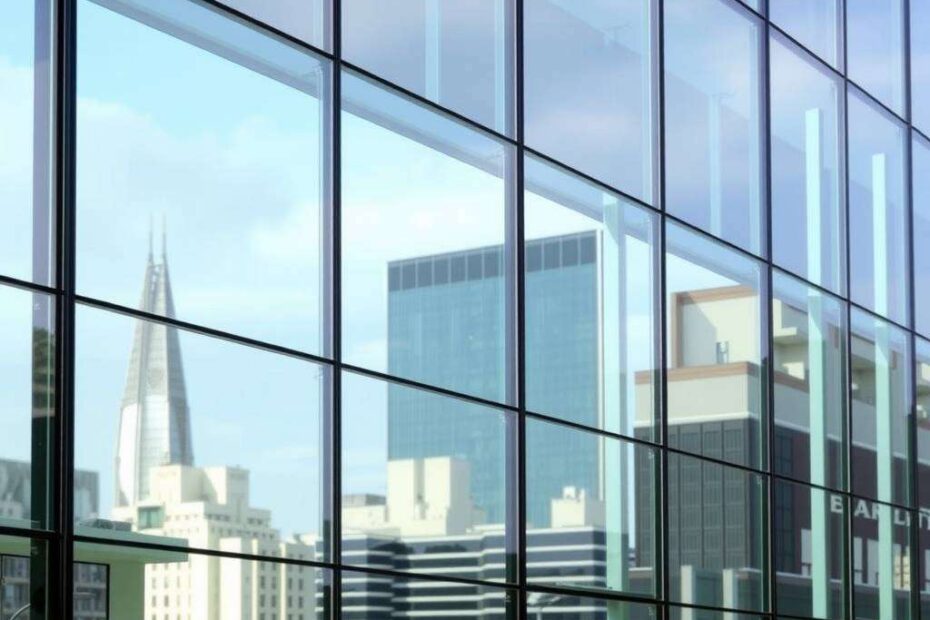
In the landscape of contemporary architecture, the utilisation of advanced glazing solutions has become a cornerstone of innovative design and sustainability. Architectural glazing not only enhances aesthetics but also plays a crucial role in improving energy efficiency, natural lighting, and occupant comfort. As an expert from a leading architectural glazing company, I am pleased to share insights into the top trends shaping the future of architectural glazing products and their integration into modern building designs.
Evolving Aesthetics Through Innovative Glazing Technologies
One of the most noticeable trends in architectural glazing is the pursuit of aesthetically striking yet functional façades. Modern architects are leveraging a variety of glazing technologies to create visually dynamic structures that break traditional design boundaries.
Translucent and Transparent Solutions: Advanced glass types such as low-iron and ultra-clear glass allow for maximum transparency and brightness, providing uninterrupted views and a seamless connection between indoor and outdoor environments. These glazing products are often utilised in office towers, atriums, and public spaces to foster openness and transparency.
Colour and Tinted Glazing: Incorporating coloured or tinted glass is increasingly popular for adding character and visual interest to building exteriors. Available in a multitude of hues, these glazing products can be customised to reflect branding, complement architectural themes, or create privacy without resorting to heavy opaque materials.
Digital and Interactive Glass: The advent of smart glazing technologies has introduced options like electrochromic, photochromic, and thermochromic glass. These allow for dynamic control over light transmittance, enabling buildings to respond to environmental conditions proactively. Architectural glazing companies are at the forefront of integrating such digital glass solutions into modern designs, enhancing both aesthetics and energy management.
Architectural glazing enhances building aesthetics while providing natural light and energy efficiency. Designers and architects rely on high-quality glazing solutions for modern projects. For innovative options and expert guidance, visit https://www.urbansquare.net/.
Sustainability and Energy Efficiency in Glazing Solutions
Sustainable building design is now a fundamental consideration for architects and developers. Architectural glazing products are central to achieving high-performance buildings capable of reducing carbon footprints and operational costs.
High-Performance Insulating Glass Units (IGUs): Modern glazing solutions often feature multiple panes of glass with specialised coatings and gasfills such as argon or krypton. These IGUs significantly reduce heat transfer, helping to maintain consistent internal temperatures and decreasing reliance on heating and cooling systems.
Low-Emissivity (Low-E) Coatings: The application of Low-E coatings on architectural glazing improves thermal performance by reflecting infrared radiation while allowing visible light to pass through. This technology is vital in creating energy-efficient façades without compromising natural daylight.
Integrated Solar Control: Advanced glazing options incorporate solar control features to minimise glare and heat gain. Reflective, tinted, or dual-coated glass products optimise daylight utilisation whilst mitigating the need for artificial cooling and lighting.
Passivhaus and Zero-E Standards: As targets for sustainable building certifications evolve, architectural glazing companies are innovating with products that meet or exceed Passivhaus and Zero Energy standards. These include triple-glazed or even quadruple-glazed units with specialised coatings and framing systems that maximise thermal performance.
Frequently Asked Questions about Architectural Glazing
What is architectural glazing?
Architectural glazing refers to the use of glass and glazing systems in building design to create transparent, semi-transparent, or decorative surfaces. It is commonly used in facades, windows, skylights, and interior partitions to enhance aesthetics, natural lighting, and energy efficiency.
What are the different types of architectural glazing?
The main types of architectural glazing include:
- Single Glazing: A single sheet of glass used in windows and doors.
- Double Glazing: Two panes of glass with a spacer filled with air or gas for insulation.
- Triple Glazing: Three panes for maximum insulation and noise reduction.
- Laminated Glazing: Multiple layers of glass bonded with a plastic interlayer for safety and soundproofing.
- Tempered Glazing: Heat-treated glass that is stronger and safer upon breakage.
- Insulating Glazing Units (IGUs): Multi-pane systems designed for thermal efficiency.
How does architectural glazing improve energy efficiency?
Architectural glazing can significantly improve a building’s energy performance by controlling heat transfer. Features like low-emissivity (Low-E) coatings, tinted glass, and insulated glazing units help reduce heating and cooling loads. Proper glazing choices can also optimise natural daylight, reducing the need for artificial lighting.
What are the safety considerations in architectural glazing?
Safety is paramount in architectural glazing. Options such as tempered and laminated glass help prevent injury in case of breakage. Additionally, choosing the appropriate glass thickness, adhering to building codes, and proper installation ensure safety for occupants and maintenance personnel.
Can architectural glazing enhance building aesthetics?
Absolutely. Architectural glazing offers a wide range of design possibilities, including tinted, patterned, frosted, and decorative glass. It allows architects to create visually striking facades, illusionary effects, and seamless indoor-outdoor transitions that enhance the overall aesthetic appeal.
What maintenance is required for architectural glazing?
Maintenance depends on the type of glazing and location. Generally, regular cleaning with non-abrasive solutions keeps glass surfaces clear. Inspection for damage or seal failures, and timely repairs or replacements, help maintain performance and appearance.
How do I choose the right architectural glazing for my project?
Consider factors such as:
- Climate conditions
- Energy efficiency goals
- Aesthetic preferences
- Safety requirements
- Budget constraints
Consulting with professionals like architects and glazing specialists can help select the most suitable glazing systems for your specific needs.
What building codes and standards apply to architectural glazing?
Architectural glazing must comply with local building codes and safety standards such as:
- ANSI Z97.1 (American National Standards)
- EN 12150 (European Standard for tempered glass)
- ASTM standards for safety and performance
Make sure your glazing installation adheres to these regulations for safety and legal compliance.
Can architectural glazing be customized?
Yes. Many glazing systems are customisable in terms of size, shape, colour, tint, coating, and decorative features to fit unique architectural designs and functional requirements.
If you have further questions about architectural glazing or need assistance with a project, contact our experts for personalised guidance.
Technological Integration and Adaptive Glazing Systems
The integration of cutting-edge technology into architectural glazing is transforming modern building designs into intelligent, adaptable structures.
Smart and Automated Glazing Systems: Building management systems increasingly incorporate smart glazing, allowing for automated control based on environmental sensors or user preferences. Automated shading, adjustable transparency, and real-time performance adjustments improve occupant comfort while reducing energy consumption.
Structural Glazing and Minimalist Designs: Structural glazing techniques enable the creation of sleek, frameless façades that maximise glass surface area with minimal visible framing. These systems contribute to minimalist aesthetics and open sightlines, ideal for iconic commercial and cultural buildings.
Acoustic and Safety Considerations: Modern glazing products also incorporate specialised acoustic interlayers to reduce noise pollution, which is vital in urban environments. Additionally, safety glazing solutions such as laminated glass enhance security and resilience against breakage, ensuring compliance with safety standards.
Integration with Building Systems: Architectural glazing companies are increasingly offering bespoke solutions that integrate with HVAC, lighting, and security systems. For example, glazed façades with embedded sensors can communicate with building management systems to optimise environmental parameters dynamically.
The evolution of architectural glazing reflects a broader shift towards sustainable, high-performing, and visually compelling building designs. From innovative aesthetics enabled by digital and coloured glass to energy-efficient solutions that meet stringent environmental standards, the future of architectural glazing is both dynamic and transformative. As a trusted architectural glazing company, we remain committed to delivering products that combine technological innovation, sustainability, and design excellence, ensuring our clients stay at the forefront of modern architecture.